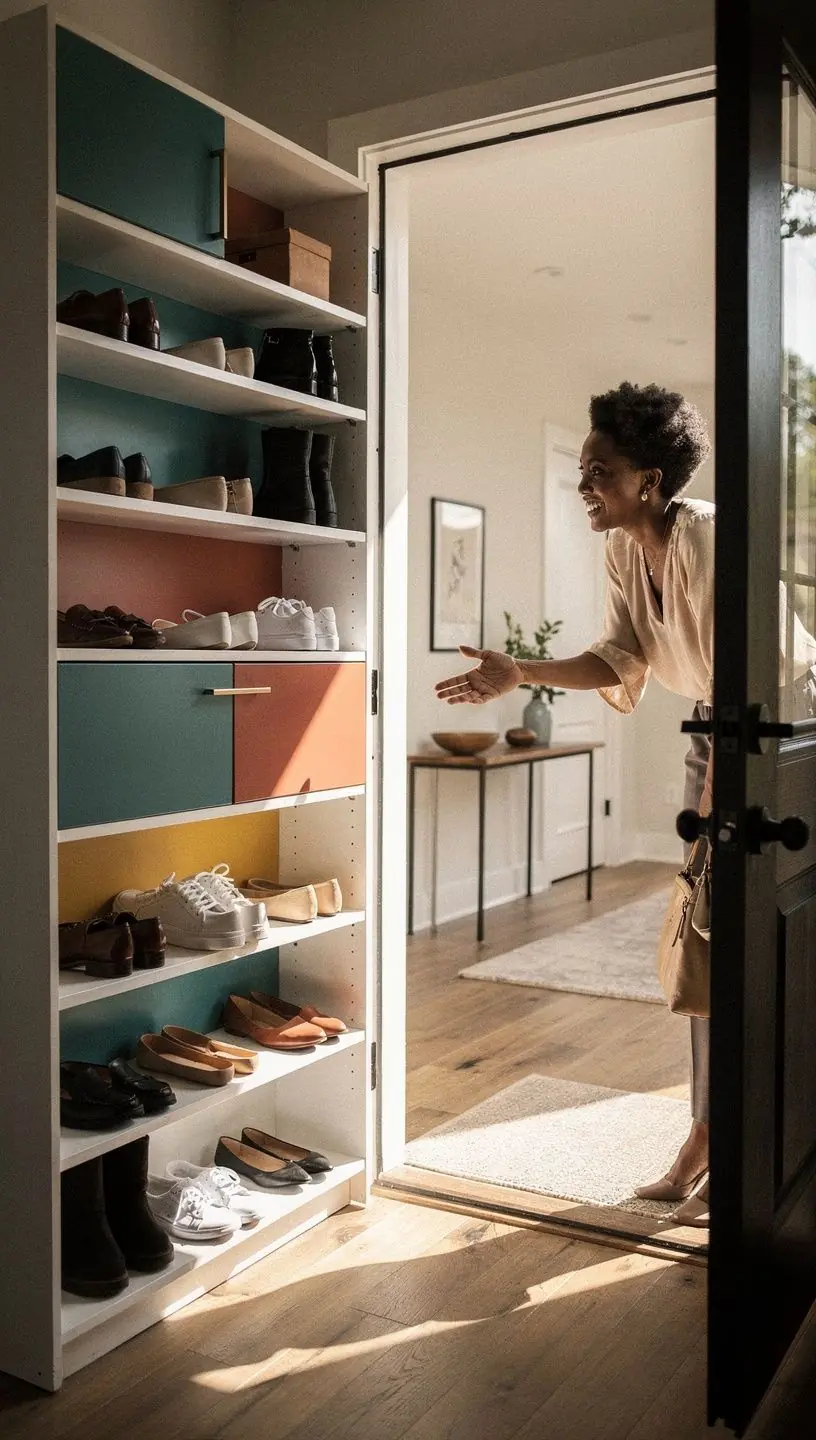
Creating Flexible Storage Solutions for Changing Needs
Navigating the complexities of modern living often requires effective storage solutions that can adapt to our evolving needs. This article explores how to create flexible storage options that are not only practical but can also enhance organization and efficiency in various spaces.
Understanding the Basics of Flexible Storage
Flexible storage solutions are designed to accommodate changing requirements, making them a favored approach in both residential and commercial settings. According to research, adaptable storage systems can lead to a significant reduction in clutter, which, in turn, may enhance productivity by approximately 20-30% in environments where organization is crucial.

These solutions often involve the integration of modular designs, multi-purpose furniture, and adjustable shelving systems. The principle behind this is straightforward: by allowing for rearrangement and reconfiguration, users can tailor their storage to meet current demands efficiently.
"Flexible storage is about using space wisely and adapting to our lifestyle changes." - Storage Solutions Expert
Key Components of Effective Flexible Storage
- Modular Units: Many users report that modular storage units, which can be added or removed as needed, offer versatility that fixed systems cannot provide. This approach is particularly useful in dynamic environments where space usage may change frequently.
- Multi-Functional Furniture: Incorporating furniture that serves dual purposes, such as ottomans with storage or beds with built-in drawers, often maximizes space without sacrificing functionality. This is a widely recommended practice in interior design.
- Adjustable Shelving: Adjustable shelves allow for customization in height and spacing, making it easier to adapt storage for various items. Experts suggest that this flexibility is particularly beneficial in areas like garages or home offices, where the inventory tends to vary.
Implementing Your Flexible Storage Solutions
To successfully implement flexible storage solutions, it typically requires a few steps:
- Assess Your Needs: Take stock of the items you need to store. Understanding your requirements is crucial; for instance, families with children might need more accessible storage options compared to single professionals.
- Plan Your Space: Measure your available space and consider how it will be used. Planning can help you determine the best types of storage solutions that will fit without overwhelming the area.
- Choose Your Solutions: Select the modular units, furniture, or shelving that best fits your needs. Researching different products and asking for recommendations can help you find reliable options.
- Implement Gradually: Especially if you are new to flexible storage systems, start by implementing one area at a time. This gradual approach can help you assess effectiveness and make adjustments as necessary.
Conclusion
Creating flexible storage solutions is an effective way to manage changing needs in both personal and professional environments. By understanding the basics, implementing key components, and following a structured approach, anyone can enhance their organizational strategies. Remember, the goal is to create a user-friendly space that evolves with your lifestyle demands, leading to improved efficiency and reduced clutter over time.
As you embark on your journey to create adaptable storage solutions, consider your specific requirements and be open to experimenting with various designs and methods. This approach will not only help you maximize your space but also contribute to a more organized and enjoyable environment.
Learn More