Understanding the Custom Organizer Design Process
Creating custom organizers can significantly enhance the functionality and aesthetics of your space. This article explains the design process and what to expect when working with a storage product studio.
Understanding the Basics of Custom Organizers
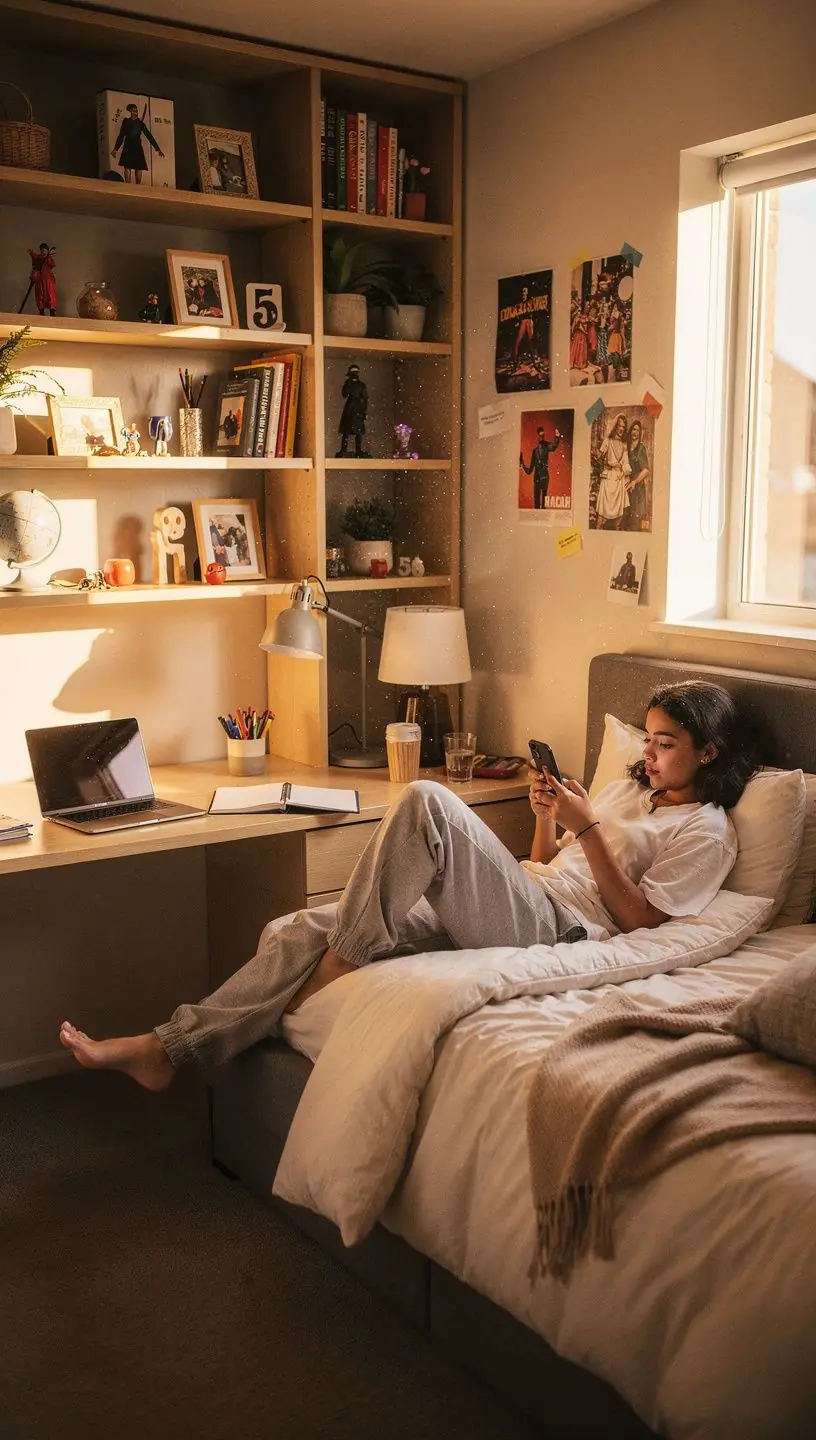
Custom organizers are tailored solutions designed to maximize space efficiency and meet individual user needs. Experts recommend starting with a thorough assessment of your specific requirements to ensure the final product aligns with your goals. This approach is beneficial because it addresses unique challenges, ensuring that the solutions are not only effective but also practical for your lifestyle.
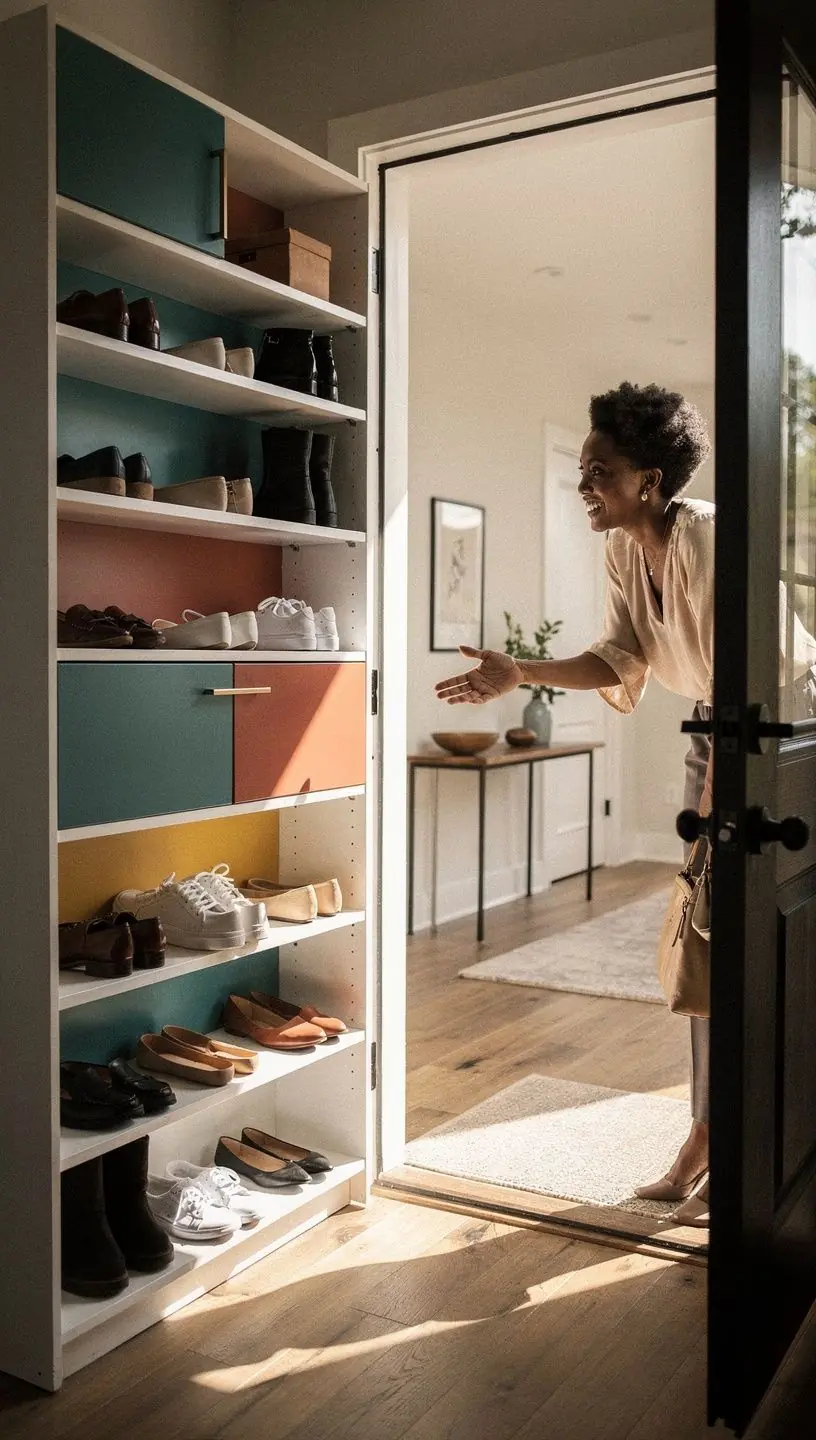
"A well-designed organizer can enhance productivity by up to 30% in daily routines." – Industry Research
The Design Process Explained
The design process for custom organizers typically involves several key steps:
- Consultation: This initial phase often includes interviews and assessments where you discuss your needs and preferences with the designer.
- Concept Development: Based on the consultation, the designer will create a conceptual design that reflects your specifications. This may take 1-2 weeks, depending on the complexity.
- Material Selection: Choosing the right materials is crucial for durability and aesthetic appeal. Industry standards suggest using materials that not only look great but also withstand daily wear and tear.
- Prototype Review: Many studios provide a prototype for review to ensure that the design meets your expectations. Feedback during this stage can lead to adjustments before final production.
- Final Production: Once all adjustments are made, production typically begins. This phase can take a few weeks, depending on the materials and complexity.
Practical Considerations
When considering a custom organizer, it's important to acknowledge a few practical aspects:
- The entire process usually takes 4-8 weeks from consultation to delivery, depending on project scope.
- Be prepared for a learning curve; understanding how to best utilize your custom organizer may require some adjustment.
- These solutions work best in spaces where you can dedicate time to organize and maintain the systems after implementation.
Conclusion
Creating a custom organizer can be a transformative experience for your space. By following a structured design process and setting realistic expectations, you can achieve a solution that not only meets your needs but also enhances your daily routines. Remember, the key to a successful project lies in collaboration with your designer and a willingness to adapt to new organizing practices.